Free EU/US shipping on orders over €100 | Designed by Pilots, for Pilots

Photo Apparel: Creating Visual Content for Clothing
Photo apparel represents the intersection of photography and fashion, where clothing items transform from physical products into compelling visual content. This specialized field encompasses everything from ecommerce product shots to lifestyle imagery, requiring specific techniques and approaches that differ significantly from traditional photography. Whether you're a drone pilot looking to showcase your aviation-themed wardrobe or a business owner selling specialized clothing, understanding photo apparel principles helps create images that drive engagement and conversions.
Understanding Photo Apparel Photography
Photo apparel is more than simply taking pictures of clothes. It involves a strategic approach to capturing garments in ways that highlight their features, fit, and quality while appealing to target audiences. This specialized photography field has evolved significantly with the growth of online shopping, where customers cannot physically touch or try on items before purchasing.
The discipline requires photographers to master various display methods, lighting techniques, and post-processing skills. Each approach serves different purposes, from catalog listings to social media content, and understanding when to use each method determines the effectiveness of your visual marketing strategy.
Key Display Methods in Photo Apparel
Different presentation styles suit different goals and budgets. Here are the primary approaches professionals use:
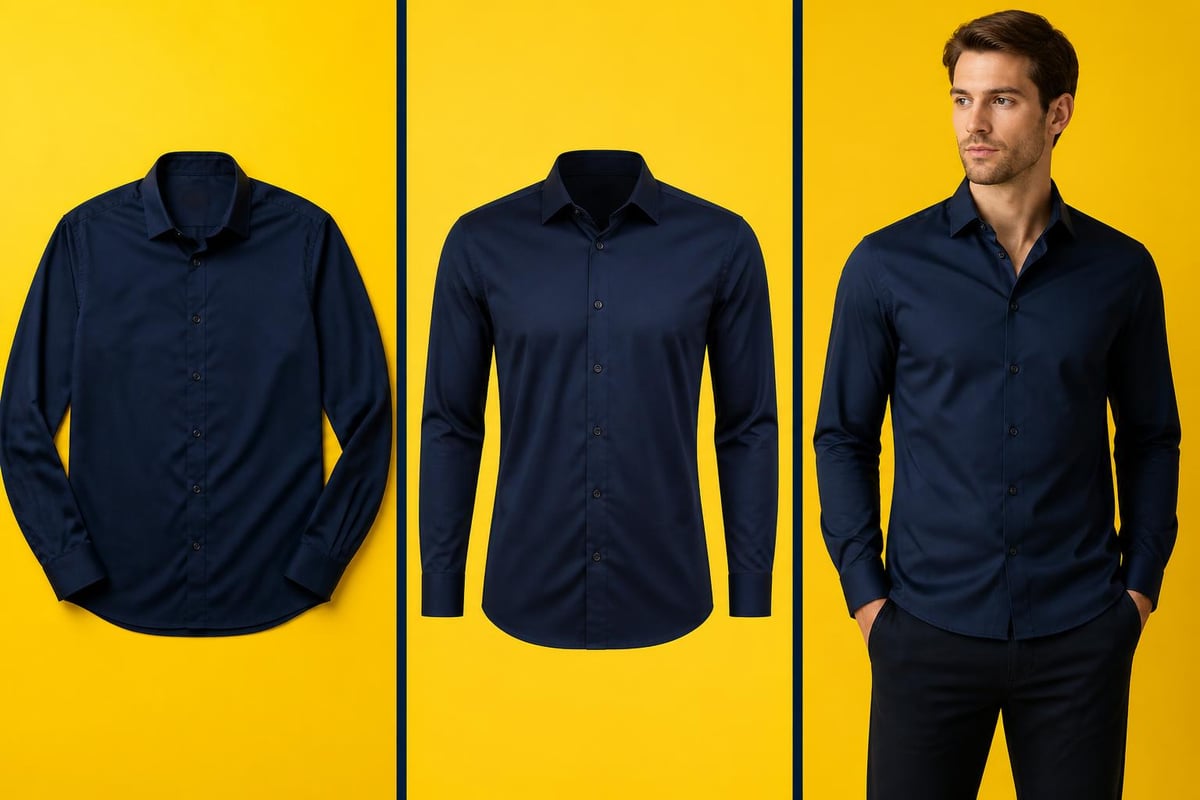
Flat Lay Photography involves arranging clothing items on a flat surface and shooting from directly above. This technique works exceptionally well for showcasing clothing details through flat lay techniques and creating visually appealing compositions that highlight patterns, textures, and design elements.
Ghost Mannequin Photography creates the illusion of clothing worn by an invisible model. This method provides dimensional perspective while keeping focus entirely on the garment itself.
On-Model Photography features real people wearing the clothing, providing context for fit, drape, and styling possibilities. This approach creates emotional connections with viewers and demonstrates how items look when worn.
Essential Equipment for Photo Apparel
Creating professional photo apparel requires specific tools and equipment. While budget constraints vary, certain items prove essential regardless of your investment level.
| Equipment Category | Budget Option | Professional Option | Purpose |
|---|---|---|---|
| Camera | Smartphone with 12MP+ | DSLR or mirrorless with 24MP+ | High-resolution capture |
| Lighting | Natural window light + reflectors | Strobe lights with softboxes | Consistent, controllable illumination |
| Background | White poster board | Seamless paper or cyclorama | Clean, distraction-free backdrop |
| Display Tools | DIY cardboard forms | Professional mannequins | Proper garment presentation |
Camera Settings Matter
When photographing apparel, specific camera settings ensure optimal results. Use aperture priority mode (typically f/8 to f/11) for product shots to maintain sharpness throughout the garment. ISO should remain as low as possible (100-200) to minimize grain, while shutter speed depends on your lighting setup.
Professional clothing photography techniques emphasize the importance of shooting in RAW format, which preserves maximum image data for post-processing adjustments. This becomes crucial when correcting colors to match the actual garment precisely.
Lighting Techniques for Photo Apparel Success
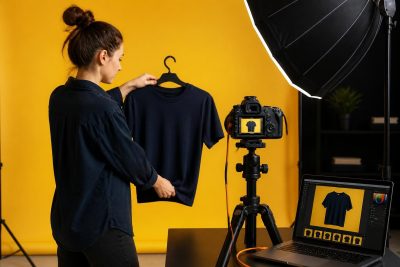
Lighting transforms ordinary clothing photographs into compelling product images. The goal is creating even, shadowless illumination that accurately represents colors and textures while eliminating distracting hotspots or dark areas.
Natural Light Approaches
Window light provides an excellent starting point for photo apparel projects. Position your setup near a large window during mid-morning or mid-afternoon when sunlight is bright but not harsh. Use white reflectors opposite the window to fill shadows and create balanced lighting.
Three-Point Lighting Setup
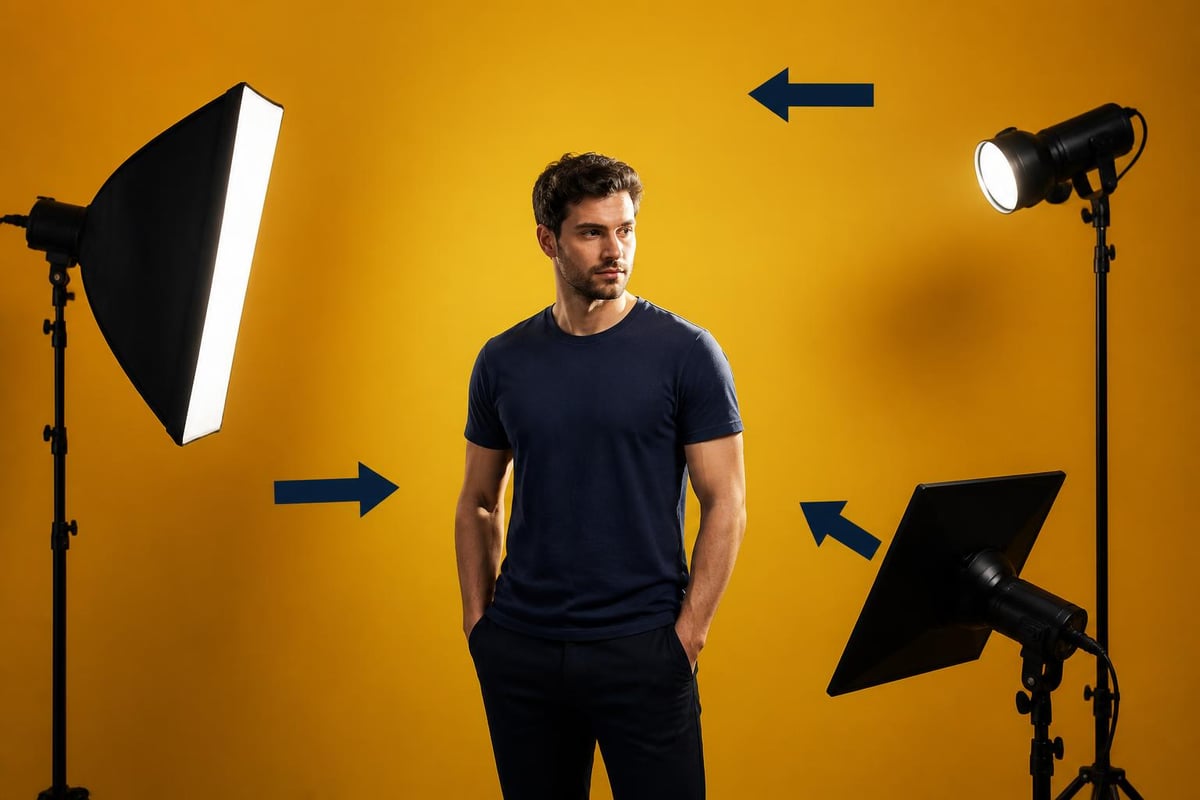
Professional studios typically employ three-point lighting for apparel photography:
- Key Light serves as the primary illumination source, positioned at a 45-degree angle from the subject
- Fill Light reduces shadows created by the key light, placed opposite at lower intensity
- Back Light separates the garment from the background, adding dimension and preventing flatness
This configuration works whether you're photographing drone-themed polo shirts or technical flight gear, providing consistent, professional results.
Avoiding Common Lighting Mistakes
Several lighting errors plague photo apparel beginners. Common clothing mistakes in photography often stem from inadequate or improperly positioned lights. Mixed color temperatures create color casts that misrepresent garment hues, while harsh direct lighting emphasizes wrinkles and fabric imperfections.
Styling and Preparation for Photo Apparel
Proper preparation separates amateur from professional photo apparel results. Every wrinkle, loose thread, or misaligned seam becomes magnified in high-resolution images.
Pre-Shoot Garment Preparation
- Steam or iron all items to remove wrinkles and creases
- Inspect for loose threads, stains, or damage
- Use fabric tape or pins to create ideal fit on mannequins
- Ensure buttons, zippers, and closures are properly aligned
- Check that tags are removed or hidden from view
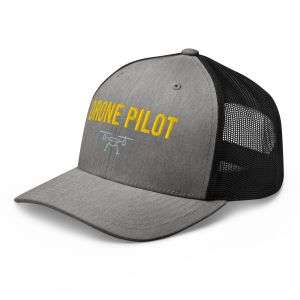
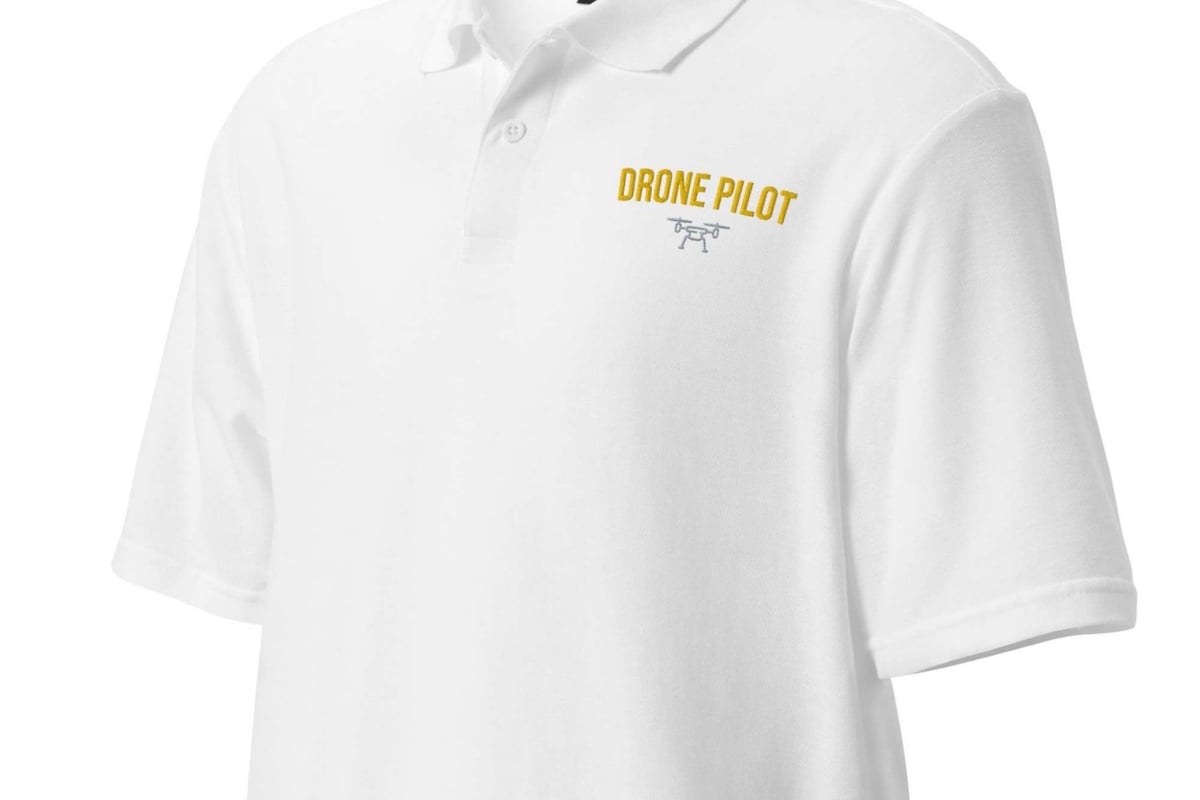
The presentation of aviation-themed clothing requires particular attention to graphic elements and embroidered details. A Drone Pilot Polo Shirt with carefully pressed collars and perfectly aligned emblems creates a more professional impression than the same shirt photographed hastily.
Composition and Framing Considerations
How you frame photo apparel determines viewer focus and engagement. Leave adequate breathing room around garments while ensuring they fill enough of the frame to showcase important details. The rule of thirds applies to apparel photography just as it does to landscape work, creating visually balanced compositions.
For ecommerce purposes, maintain consistency across all product images. This means identical framing, backgrounds, and lighting for each item category. Customers scrolling through multiple products appreciate this uniformity, which also strengthens brand identity.
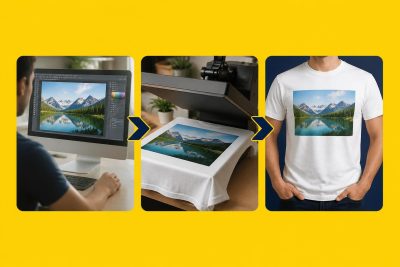
Post-Processing Photo Apparel Images
Raw photographs rarely represent the final product in photo apparel work. Post-processing refines images, corrects colors, and removes imperfections that distract from the garment itself.
Essential Editing Steps
- Color Correction ensures the photographed item matches the actual garment precisely
- Background Cleanup removes distractions and creates pure white or appropriate colored backgrounds
- Detail Enhancement sharpens important features while maintaining natural appearance
- Shadow and Highlight Adjustment recovers detail in bright and dark areas
- Cropping and Straightening creates perfect alignment and composition
Comprehensive clothing photography guides emphasize that subtle editing enhances rather than transforms images. Over-processing creates unrealistic expectations that lead to customer disappointment and returns.
Batch Processing Efficiency
When handling multiple photo apparel items, batch processing saves significant time. Create presets for common adjustments like white balance, exposure compensation, and sharpening. Apply these consistently across similar items, then fine-tune individual images as needed.
| Editing Software | Best For | Learning Curve | Cost |
|---|---|---|---|
| Adobe Lightroom | Color correction, batch processing | Moderate | Subscription |
| Photoshop | Advanced retouching, compositing | Steep | Subscription |
| GIMP | Budget-conscious editing | Moderate | Free |
| Capture One | Professional color grading | Steep | Premium |
Specialized Photo Apparel Applications
Different contexts require adapted approaches to photo apparel. What works for ecommerce listings may not suit social media content or print catalogs.
Ecommerce Product Photography
Online retailers need multiple image types for each product. Photographing clothes for online stores typically includes front views, back views, detail shots of special features, and lifestyle context images. This comprehensive approach reduces uncertainty and increases conversion rates.
Technical specifications matter immensely for ecommerce photo apparel. Images should be high resolution (typically 2000+ pixels on the longest side) to support zoom functionality while optimized file sizes ensure fast page loading.
Social Media Content Requirements
Instagram, Pinterest, and other platforms demand different photo apparel approaches. Square formats, lifestyle settings, and storytelling elements perform better than straight product shots. Behind-the-scenes content showing photo apparel creation processes also engages audiences effectively.
For drone pilot communities, context matters. Showing aviation-themed apparel in relevant settings like airfields, during flights, or at drone events creates authentic connections with the target audience.
Creating Lifestyle Photo Apparel Content
While product shots showcase garment details, lifestyle imagery demonstrates how items fit into customers' lives. This approach particularly benefits specialized niches like aviation apparel.
On-Model Photography Techniques
Working with models introduces new considerations for photo apparel. Directing poses that flatter both the person and the clothing requires clear communication and understanding of the garment's best features.
Posing Guidelines for Apparel
- Keep poses natural and comfortable to avoid awkward appearances
- Emphasize garment fit through body positioning and angles
- Use hand placement to draw attention to specific features
- Vary poses across multiple shots to provide selection options
- Ensure clothing drapes naturally without excessive pulling or bunching
Effective clothing photography methods demonstrate that models should complement rather than overshadow the apparel itself. This balance proves especially important for specialized items like pilot gear where the clothing communicates professional identity.
Building a Photo Apparel Workflow
Consistency and efficiency in photo apparel production come from established workflows. Whether photographing one item or hundreds, systematic approaches save time while maintaining quality.
Production Day Organization
- Prep Phase: Steam all garments, organize by category, prepare equipment
- Setup Phase: Configure lighting, test camera settings, verify background
- Shooting Phase: Photograph items systematically, reviewing images periodically
- Initial Review: Cull obvious failures, flag exceptional shots
- Post-Processing: Edit selected images following established guidelines
- Quality Control: Final review ensuring consistency and accuracy
- Delivery: Export in appropriate formats for intended use
This structured approach works whether you're creating content for a drone apparel shop or documenting personal collection pieces. The time invested in organization returns through increased productivity and reduced stress.
Quality Assurance Checklist
Before finalizing any photo apparel project, verify these elements:
- Colors accurately match physical garments
- Focus remains sharp on important details
- Backgrounds are clean without distractions
- Lighting appears even and professional
- Images meet technical specifications for their intended platform
- File naming follows consistent conventions
- Metadata includes relevant keywords and descriptions
Resale and Secondhand Photo Apparel Considerations
The growing secondhand clothing market requires specific photo apparel approaches. Photographing clothes for resale demands honesty and clarity about item condition while still creating appealing images.
Documenting wear, fading, or damage builds trust with potential buyers. Close-up shots of problem areas alongside overall views provide complete information. This transparency reduces disputes and increases customer satisfaction.
Flat Lay Benefits for Inventory Photography
When photographing multiple items quickly, flat lay clothing photography offers significant advantages. This method requires minimal equipment, creates consistent results, and speeds up the shooting process considerably.
Arrangement matters in flat lay photo apparel. Organize items to show complete garments clearly, with sleeves and pant legs positioned naturally. Include size tags when photographing for resale, and consider adding props that provide scale reference.
Advanced Photo Apparel Techniques
As skills develop, photographers can explore more sophisticated photo apparel methods that elevate their work beyond basic product shots.
360-Degree Product Views allow customers to examine garments from every angle. While requiring specialized equipment or software, this interactive format significantly enhances online shopping experiences.
Focus Stacking combines multiple images shot at different focus points, creating completely sharp photos from front to back. This technique proves valuable when photographing detailed embroidery, complex patterns, or textured fabrics.
Ghost Mannequin Processing involves photographing garments on mannequins from multiple angles, then digitally removing the forms to create hollow, three-dimensional appearances. Professional apparel photography methods frequently employ this approach for its clean, consistent results.
Industry-Specific Photo Apparel Applications
Different clothing categories require specialized photo apparel approaches. Athletic wear benefits from action shots showing movement and performance. Formal wear demands elegant styling and sophisticated lighting. Technical apparel like flight gear needs detailed shots highlighting functional features.
For drone pilot clothing, contextual elements strengthen the connection between garment and activity. Showcasing aviation-themed accessories alongside apparel creates complete outfit presentations that help customers envision their purchases.
Seasonal Considerations
Photo apparel production often runs months ahead of retail seasons. Summer clothing shoots in winter require creative problem-solving, from studio heating to location scouting for appropriate environments. Planning ahead ensures content availability when customers begin shopping for seasonal items.
Color Accuracy in Photo Apparel
Perhaps nothing matters more in photo apparel than accurate color representation. Customers purchasing online rely entirely on photographs to understand what they're buying, making color fidelity crucial for satisfaction and minimizing returns.
Tools and Techniques for Color Management
- Color Checkers provide reference points for accurate white balance
- Monitor Calibration ensures what you see during editing matches final output
- Controlled Lighting maintains consistent color temperature throughout shoots
- RAW Format Shooting preserves maximum color data for post-processing adjustments
- Proof Prints verify that digital colors translate correctly to physical products
Comprehensive apparel photography guides emphasize that color accuracy builds customer trust and reduces the costly problem of returns due to mismatched expectations.
Mastering photo apparel techniques transforms how clothing products appear across digital and print platforms, directly impacting customer engagement and sales success. Whether you're documenting a personal collection, building an ecommerce presence, or creating marketing content, these principles provide the foundation for professional results. PhotoDroneGuy.com offers drone enthusiasts and pilots a curated selection of aviation-themed apparel designed specifically for the aerial community, combining quality garments with designs that celebrate your passion for flight.
Article written using RankPill.