Free EU/US shipping on orders over €100 | Designed by Pilots, for Pilots

Photo on Clothing: Modern Techniques and Applications
The ability to transfer photographic images onto fabric has revolutionized the apparel industry, creating opportunities for personalization, branding, and creative expression. Photo on clothing technology has evolved dramatically from early experimental methods to sophisticated digital processes that deliver stunning visual results. For drone enthusiasts and professional pilots, this advancement means transforming aerial photography and drone-themed graphics into wearable art that showcases passion for unmanned aviation. Understanding modern photo printing techniques enables better appreciation of quality custom apparel and the technology behind it.
The Evolution of Photo Transfer Technology
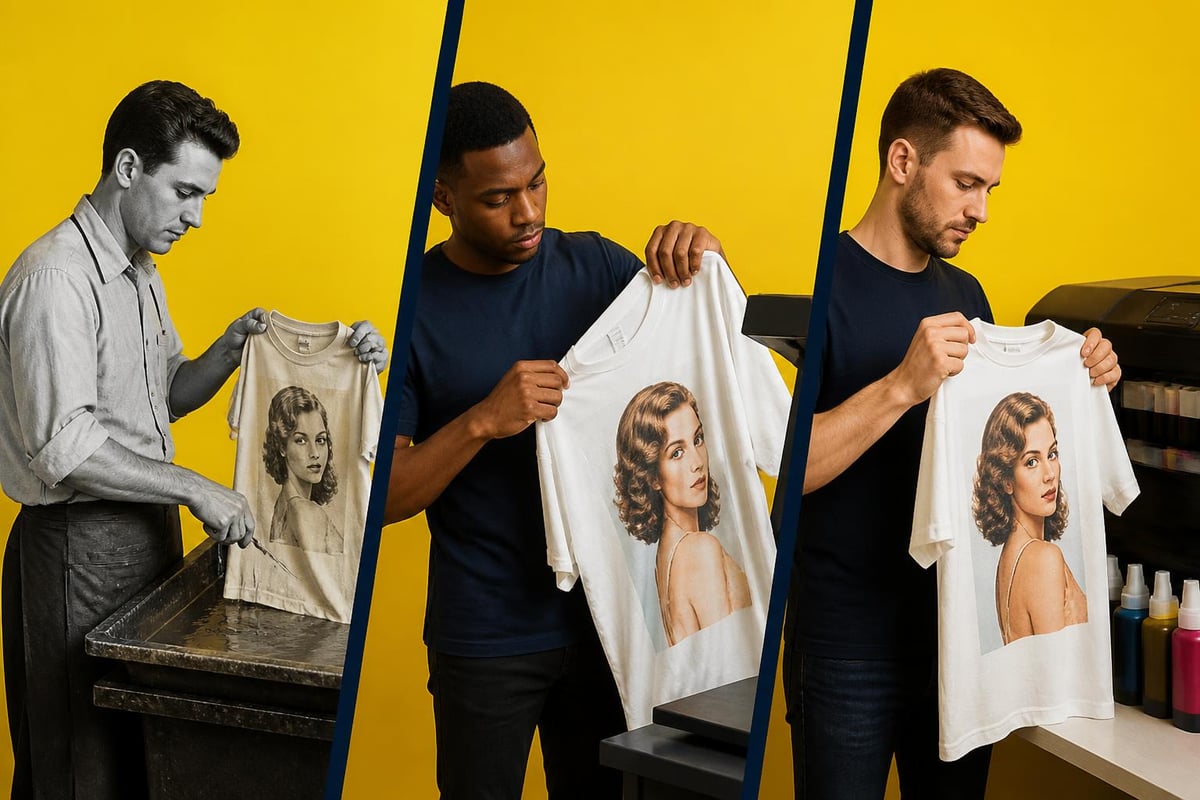
The journey of printing photographs on fabric began decades before modern digital methods emerged. Innovations from the 1940s laid groundwork for what would eventually become today’s sophisticated transfer systems. Early methods involved chemical processes and heat application, producing results that were revolutionary for their time but limited in color accuracy and durability.
Fast forward to 2026, and the landscape has transformed completely. Digital printing has become the production backbone of the garment industry, with garment printing trends showing remarkable advancement in color vibrancy, wash resistance, and production efficiency. These improvements directly benefit businesses creating specialized apparel, including drone-themed clothing that requires precise reproduction of aircraft details, aerial landscapes, and technical imagery.
Modern Applications Beyond Basic Transfers
Photo on clothing serves multiple purposes in contemporary apparel markets. Custom merchandise creators use photographic transfers to produce one-of-a-kind items featuring personal images, while professional organizations leverage the technology for branded uniforms incorporating company imagery. The drone community particularly benefits from this capability, transforming stunning aerial photographs into wearable conversation pieces.
Sports teams, corporate groups, and memorial products represent significant market segments. Each application demands different quality standards and durability requirements. A memorial shirt featuring a cherished photograph needs exceptional color accuracy and longevity, while promotional items might prioritize cost-effectiveness over premium finishing.
Primary Printing Methods for Photographic Images
Modern photo transfer employs several distinct technologies, each offering unique advantages. Understanding these methods helps consumers and businesses make informed decisions about apparel production.
Direct-to-Garment (DTG) Printing
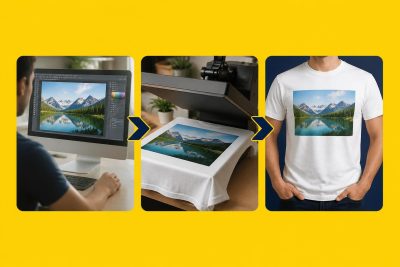
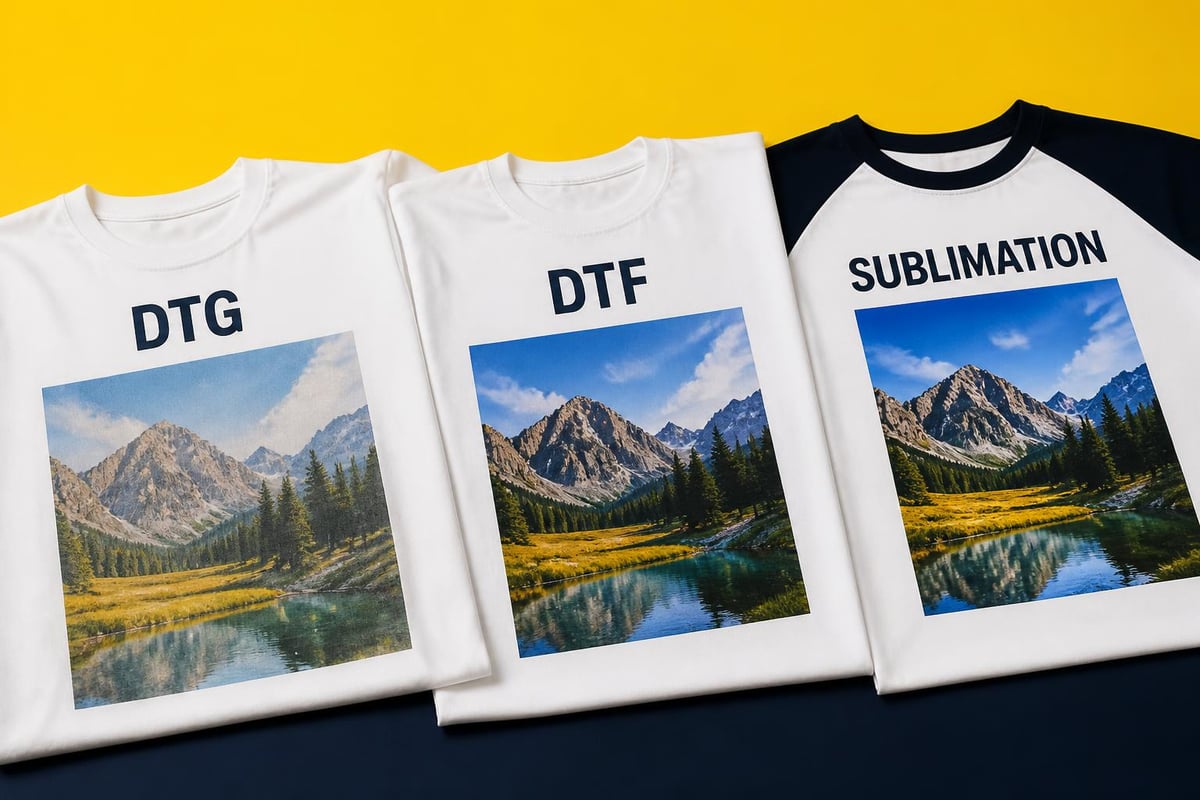
DTG technology functions similarly to desktop inkjet printers but specialized for fabric. The printer applies water-based inks directly onto garment fibers, creating soft-hand prints that breathe well. This method excels at reproducing photographic detail with smooth color gradients and subtle tonal variations.
Key advantages of DTG include:
- Exceptional detail reproduction for complex imagery
- No minimum order quantities required
- Soft feel that doesn’t crack or peel
- Ability to print full-color photographs seamlessly
DTG works best on 100% cotton or cotton-blend fabrics. The white ink underbase ensures vibrant colors on dark garments, though this adds production time. For drone apparel featuring detailed cockpit images or intricate aerial landscapes, DTG delivers professional results that capture every nuance.
Direct-to-Film (DTF) Transfer Systems
DTF printing represents newer technology that offers versatility across fabric types. The process prints designs onto special film, applies adhesive powder, and then heat-presses the complete image onto garments. This method accommodates synthetic fabrics, blends, and materials that challenge other printing techniques.
| Method | Best Fabrics | Detail Level | Production Speed | Wash Durability |
|---|---|---|---|---|
| DTG | Cotton, cotton blends | Excellent | Moderate | Very Good |
| DTF | All fabric types | Very Good | Fast | Excellent |
| Sublimation | Polyester only | Outstanding | Very Fast | Superior |
| Heat Transfer | Most fabrics | Good | Fast | Good |
DTF proves particularly valuable for specialized drone apparel on performance fabrics. Moisture-wicking materials used in pilot shirts and outdoor gear accept DTF transfers effectively, maintaining breathability while displaying sharp photographic imagery.
Dye Sublimation for Polyester Garments
Sublimation creates permanent bonds between dye and polyester fibers through heat-activated chemical processes. The method converts solid dye into gas that penetrates fabric molecules, resulting in prints that never fade, crack, or peel. For vibrant drone photography showcasing brilliant skies and landscape colors, sublimation delivers unmatched vibrancy.
This technique requires polyester or polymer-coated substrates. The color intensity on white or light-colored polyester garments surpasses all other methods. Professional drone pilots seeking high-performance apparel often prefer sublimated items for their durability and professional appearance.
Technical Considerations for Quality Results
Achieving professional photo on clothing outcomes requires attention to multiple technical factors. Image resolution stands paramount among these considerations. Low-resolution photographs produce pixelated, blurry prints that undermine visual impact.
Resolution and File Preparation
Minimum specifications for quality photo prints:
- Resolution: 300 DPI (dots per inch) at final print size
- File format: PNG or high-quality JPEG
- Color mode: RGB for digital printing processes
- Size: Actual dimensions needed for garment placement
Professional drone photographers typically capture high-resolution images that translate beautifully to fabric. A stunning aerial sunset photograph at 4000×3000 pixels produces excellent results on apparel when properly sized. Converting vintage footage to digital formats similarly benefits from high-quality conversion processes that preserve detail for apparel applications.
Fabric Selection Impact
Different materials accept photo transfers with varying success. Cotton provides excellent ink absorption for DTG, creating soft, breathable prints. Polyester delivers superior color vibrancy through sublimation but feels different against skin compared to natural fibers. Cotton-polyester blends offer compromise solutions, accepting multiple printing methods while combining comfort and durability.
Understanding fabric properties helps match printing methods appropriately. Various fabric printing methods work differently depending on fiber composition, weave density, and surface treatments. A pilot polo requiring professional appearance benefits from different material choices than casual weekend wear.
Practical Applications in Drone Apparel
The drone community embraces photo on clothing technology enthusiastically. Pilots transform memorable flight experiences into wearable memorabilia, while businesses create branded merchandise featuring signature aircraft or company imagery.
Custom Merchandise Opportunities
Drone service providers use photographic apparel for multiple purposes. Company uniforms featuring branded aerial photography establish professional credibility. Customer appreciation gifts incorporating project-specific imagery strengthen client relationships. Event merchandise commemorating fly-ins or competitions creates revenue streams while building community.
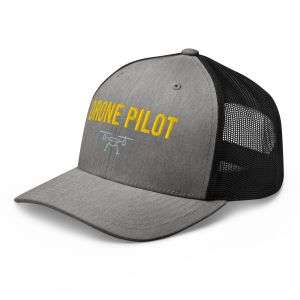
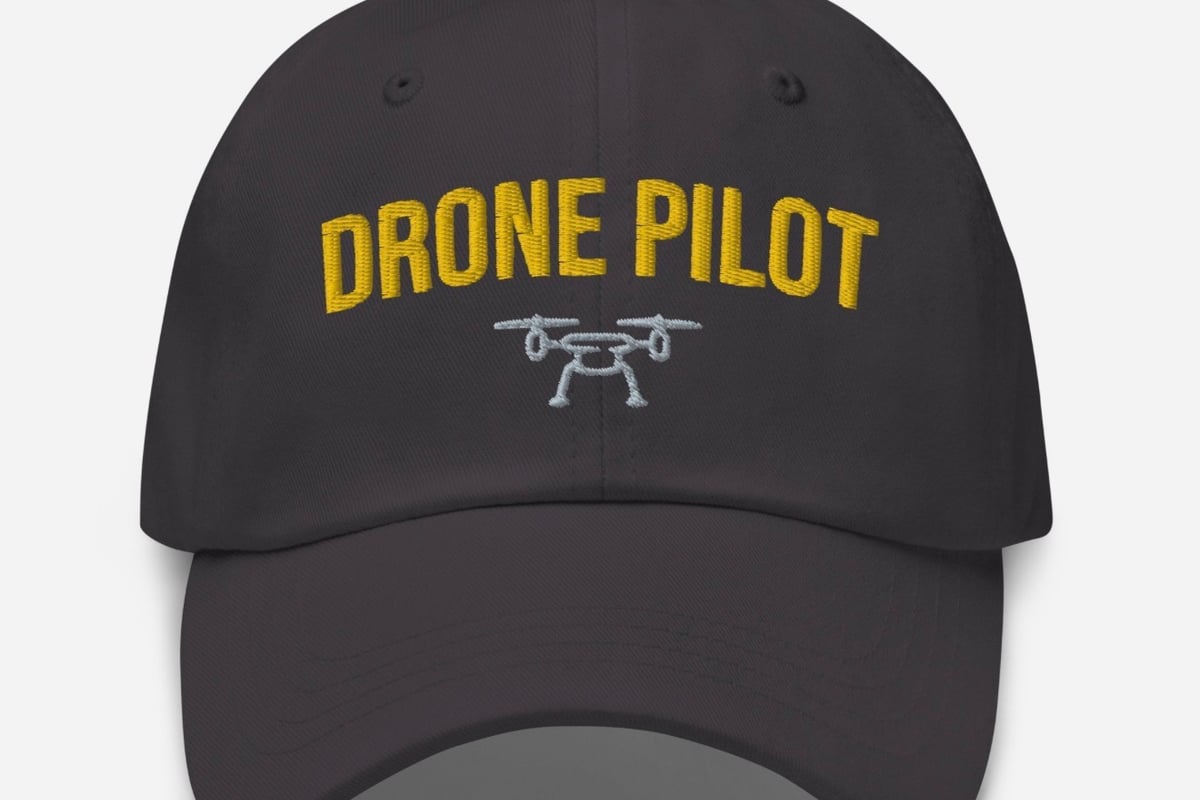
For drone enthusiasts looking to showcase their passion, quality apparel makes statements without requiring words. A well-designed Drone Pilot Hat featuring embroidered logos pairs perfectly with photo-printed shirts displaying personal aerial achievements.
Team and Event Coordination
Flight clubs and racing teams utilize photo printing for coordinated apparel. Team jerseys featuring sponsor logos combined with action photography create professional appearances at competitions. Workshop instructors use branded clothing with instructional graphics that reinforce teaching points while establishing authority.
Seven common fabric printing techniques provide options for different budget levels and quality requirements. Small clubs might start with basic heat transfer methods, upgrading to DTG or sublimation as membership grows and quality expectations increase.
Design Optimization for Photo Apparel
Creating effective photo on clothing designs requires balancing technical requirements with aesthetic considerations. Not every photograph translates well to fabric, and understanding design principles improves outcomes significantly.
Composition and Placement
Critical design factors include:
- Subject clarity: Main elements should remain recognizable at print size
- Contrast: Sufficient difference between light and dark areas
- Busy backgrounds: Simple backgrounds prevent visual confusion
- Placement location: Chest, back, or sleeve positioning affects viewing
Aerial drone photographs often feature expansive landscapes that need careful cropping for apparel applications. A panoramic mountain vista might work beautifully as a large back print but lose impact when reduced to chest-pocket size. Strategic cropping focusing on compelling details creates stronger visual statements.
Color Management Considerations
Digital screens display colors differently than printed fabrics reproduce them. RGB color mode used in photography doesn’t always translate perfectly to garment printing. Professional print services calibrate equipment regularly, but understanding color limitations prevents disappointment.
Dark garments require white underbase layers for color accuracy, affecting final appearance. Black shirts displaying vibrant sunset photographs need adequate white backing to prevent muddy colors. Professional printing methods account for these variables through experience and proper equipment.
Care and Maintenance of Photo-Printed Garments
Preserving photo on clothing quality requires proper care practices. Different printing methods demand specific washing and drying approaches to maximize longevity and maintain visual appeal.
Washing Guidelines by Print Method
| Print Type | Water Temperature | Detergent | Drying Method | Iron Settings |
|---|---|---|---|---|
| DTG | Cold to warm | Mild, liquid | Low heat or air dry | Inside out, low heat |
| DTF | Cold to warm | Standard | Tumble dry low | Medium heat acceptable |
| Sublimation | Warm | Any | Tumble dry normal | Any heat level |
| Heat Transfer | Cold | Gentle | Air dry preferred | Inside out only |
Following manufacturer recommendations extends garment life significantly. Turning items inside out before washing protects printed surfaces from abrasion. Avoiding bleach and harsh chemicals prevents premature fading and deterioration.
Storage Best Practices
Proper storage protects photo prints between wearing. Folding along print lines creates permanent creases that damage imagery over time. Hanging or rolling garments preserves print integrity better than tight folding. Protecting apparel from direct sunlight prevents color fading, particularly important for DTG and heat transfer methods.
Professional pilots maintaining branded uniforms benefit from garment bags that shield from dust and light exposure. Casual enthusiasts should simply avoid cramming photo-printed items into overcrowded drawers where friction damages surfaces.
Industry Innovations and Future Directions
The photo on clothing sector continues evolving rapidly. Research into garment reconstruction from photographs explores virtual try-on capabilities and design visualization. These advances help customers preview how aerial photographs will appear on actual garments before committing to production.
Machine learning algorithms now enhance photograph quality specifically for fabric printing. These systems analyze images, adjusting contrast, sharpness, and color balance automatically for optimal transfer results. Global clothing style analysis using millions of photographs informs design trends, helping apparel creators understand what resonates with target audiences.
Sustainability Considerations
Environmental consciousness influences printing technology development. Water-based inks reduce chemical runoff compared to plastisol alternatives. Digital printing methods eliminate screen production waste, reducing environmental footprint significantly. On-demand production prevents excess inventory waste, aligning with sustainable business practices.
Drone community members often appreciate environmental stewardship given their connection to outdoor spaces. Choosing eco-friendly photo printing methods aligns values with purchasing decisions, supporting businesses committed to responsible manufacturing.
Quality Assessment and Vendor Selection
Not all photo on clothing services deliver equal results. Evaluating potential production partners requires examining multiple quality indicators beyond basic pricing.
Evaluation Criteria
Questions to ask potential printing services:
- What resolution do you require for optimal results?
- Which printing methods do you offer for different fabric types?
- Can you provide samples of photo prints on similar materials?
- What color matching processes do you use?
- What guarantees cover print quality and durability?
Requesting sample prints using actual intended photographs reveals true capabilities. Examining wash resistance through multiple laundry cycles demonstrates long-term durability. Professional services welcome quality inquiries and provide detailed technical information.
Price vs. Quality Balance
Budget constraints tempt businesses toward cheapest options, but photo printing quality varies dramatically across price points. Economy heat transfers might suffice for single-use event shirts, while premium DTG or sublimation justify higher costs for retail merchandise or professional uniforms.
Understanding fabric printing method benefits and limitations helps match techniques to specific applications appropriately. Investing in quality for customer-facing apparel protects brand reputation, while economizing on internal team wear stretches budgets effectively.
Building Brand Identity Through Photo Apparel
Strategic use of photo on clothing strengthens brand recognition and community connection. Drone businesses leveraging photographic apparel create tangible expressions of company values and service quality.
Visual Storytelling Opportunities
Every photo tells a story. Apparel featuring a dramatic rescue operation conducted by drone emphasizes life-saving capabilities. Agricultural service providers showcase crop analysis imagery demonstrating precision agriculture expertise. Real estate photographers display stunning property aerial views highlighting marketing capabilities.
This visual storytelling creates emotional connections stronger than text-based marketing. Potential clients seeing impressive aerial photography on provider clothing gain immediate confidence in technical capabilities and artistic vision.
Community Building Through Shared Identity
Matching photo apparel unifies teams and communities around shared interests. Flight clubs wearing coordinated shirts featuring group aerial photographs strengthen member bonds. Competition teams in matching jerseys displaying sponsor imagery project professionalism while acknowledging support.
The drone community values visual expression of technical passion. Quality photo apparel serves both personal satisfaction and community recognition functions simultaneously.
Photo on clothing technology offers drone enthusiasts and professionals powerful tools for personal expression and business branding. Understanding printing methods, quality factors, and design principles ensures satisfaction with finished garments. Whether you’re showcasing aerial photography achievements or building brand recognition, PhotoDroneGuy.com offers drone-themed apparel that celebrates your passion for unmanned flight while delivering the quality and style that represents your dedication to the craft.
Article written using RankPill.