Free EU/US shipping on orders over €100 | Designed by Pilots, for Pilots

Hi-vis vest vs. professional drone pilot apparel: when to wear each on site
Spend ten minutes reading online drone forums and you will see the same debate every week: should you wear a fluorescent yellow high-visibility vest every time you fly? Some operators swear by neon vests in public parks, while full-time aerial cinematographers refuse to touch them unless a site safety officer requires PPE.
Both sides are right—because they are flying in completely different environments. Wearing the wrong type of identification for your setting can actually draw unwanted attention instead of preventing it.
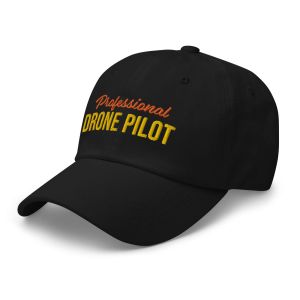
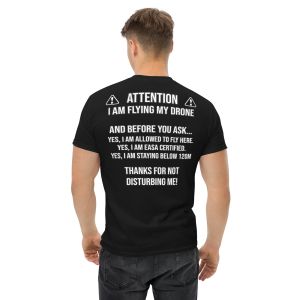
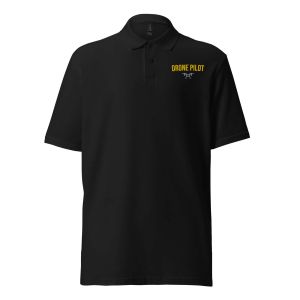
In short: Wear an ANSI or EN ISO 20471 reflective vest only when working near moving vehicles, cranes, or industrial construction sites. For real estate, hospitality, events, and public parks, a collared professional drone pilot polo, an EASA / FAA operator t-shirt, and an embroidered drone pilot cap project authority without alarming guests or pedestrians.
When a reflective hi-vis vest is the right choice
High-visibility vests were engineered for one specific purpose: making human workers visible to heavy machinery operators and drivers in low light or near active traffic lanes. You should always keep a reflective vest in your trunk for three scenarios:
- Active civil engineering, bridge, or highway inspections where excavators and dump trucks are moving around your launch pad.
- Industrial roof, wind turbine, or solar farm surveys where site health-and-safety rules mandate hard hats, steel-toe boots, and reflective PPE for every contractor on the property.
- Emergency search-and-rescue or night operations alongside local fire and police departments.
Why neon vests backfire in parks, neighborhoods, and luxury venues
Outside of construction zones, a neon yellow vest triggers a very different reaction. Put on a reflective vest in a quiet suburban neighborhood or a scenic tourist overlook, and thirty people immediately wonder what municipal project is happening—or whether their home is being inspected by local authorities.
On wedding shoots, golf courses, or luxury real estate listings, the contrast is even worse. Event planners and realtors want their media team to blend in with the dress code of the venue while still looking clearly identifiable as production crew.
How embroidered polos and operator shirts solve the problem
Instead of dressing like road crew, most commercial aerial photographers use tailored, high-contrast flight apparel that matches the formality of the client:
- Corporate, hospitality, and real estate assignments: Pair dark trousers or shorts with our premium professional drone pilot polo or classic piqué drone pilot polo shirt. The embroidered chest badge tells security guards and property managers who you are at a glance while keeping you presentable for client walk-throughs.
- Public parks and urban launch zones: When your primary goal is keeping curious walkers from tapping your shoulder mid-flight (see our protocol for handling bystanders while flying), wear our back-printed EASA edition attention flying drone t-shirt in Europe or the FAA edition drone pilot t-shirt in the U.S.
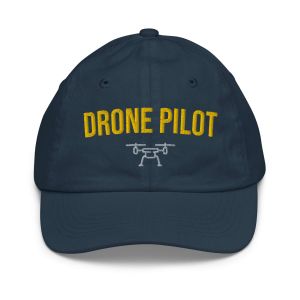
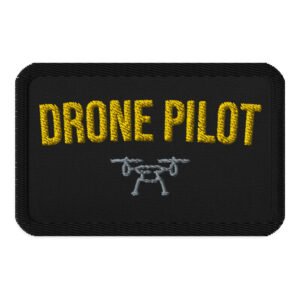
- All-season outer layers and bags: In cooler months, layer up with a drone pilot hoodie with back logo, a professional drone pilot cap, and a Velcro UAS pilot patch on your crossbody flight bag.
Quick comparison: hi-vis vest vs. dedicated pilot apparel
When packing your commercial drone flight bag, use this simple rule of thumb: if the site requires a hard hat, wear the reflective vest. For every other commercial shoot, client meeting, or recreational flight, wear breathable drone pilot apparel designed specifically for aviation professionals.
Frequently asked questions about pilot identification gear
Does FAA Part 107 or EASA require a high-visibility vest?
Neither FAA Part 107 nor EASA Open Category regulations mandate a fluorescent vest by law. EASA Specific Category operational manuals often recommend visible identification for the remote pilot and visual observer, which can be satisfied with a dedicated EASA operator shirt, polo, or identification patch.
What should a visual observer (VO) wear on a two-person crew?
Having both the pilot in command and the visual observer wear matching drone pilot caps and professional polos makes it immediately obvious to bystanders that the VO is the person available to answer questions while the pilot stays focused on the aircraft.