Free EU/US shipping on orders over €100 | Designed by Pilots, for Pilots
How to handle curious or hostile bystanders while flying a drone
It always happens at the worst possible moment. Your drone is 250 meters out over water, battery is down to 28%, and the wind just picked up. Right as you line up your return-to-home approach, a stranger taps you on the shoulder to ask how much the drone costs, or worse, accuses you of filming their backyard.
Taking your eyes off the aircraft or controller during a critical flight phase is one of the leading causes of avoidable tree strikes and hard landings. Here is the practical field protocol working operators use to prevent public interruptions before takeoff and defuse tense encounters in seconds.
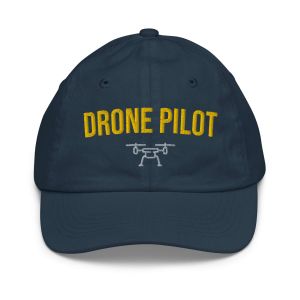
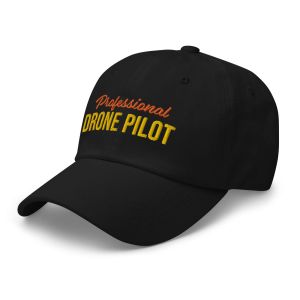
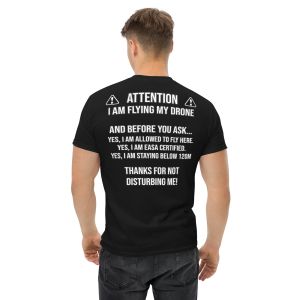
In short: Most bystander interruptions happen because people cannot tell the difference between a teenager playing with a toy and a certified operator on a mission. Combining smart launch positioning with unmistakable visual identification like an EASA attention flying drone shirt, an FAA edition pilot t-shirt, or an embroidered professional drone pilot cap stops 80% of interruptions before anyone walks up to you.
Why people interrupt drone pilots in the first place
When someone sees a person standing in a park or on a sidewalk staring down at a controller, their brain puts that person in one of two buckets. Either you look like a hobbyist who might be invading their privacy, or you look like a professional doing a job.
Notice what happens when a surveyor stands on the exact same sidewalk with a tripod and an embroidered polo or cap: nobody bothers them. The difference is visual authority. When you wear plain street clothes, curious kids and suspicious neighbors feel zero hesitation walking right into your personal space while your props are spinning.
Step 1: Set up a natural buffer zone around your launch spot
Where you stand determines how easily pedestrians can approach you. Avoid standing directly in the middle of a footpath or next to a park bench. Instead, put a physical barrier at your back—a wall, a parked vehicle, a fence line, or a row of hedges.
Keeping a wall or car behind you does two things. First, nobody can walk up behind your shoulder to peer at your DJI RC screen. Second, you only have a 180-degree arc to monitor for visual line of sight (VLOS) and approaching dogs or pedestrians.
Step 2: Let your clothing answer questions before people ask
The easiest conversation to manage while flying a drone is the one you never have to start. When your back or chest clearly states that you are an active pilot in command, reasonable people wait until your aircraft is on the ground before approaching.
Depending on where and how you fly, three pieces of gear make an immediate difference:
- High-contrast back-printed t-shirts for public launches: In Europe, our Attention Flying Drone T-Shirt (EASA Edition) prints a clear operational warning across your shoulders so passersby approaching from behind know not to distract you. For U.S. operators flying under Part 107 or recreational rules, the Attention Flying Drone T-Shirt (US FAA Edition) serves the exact same purpose.
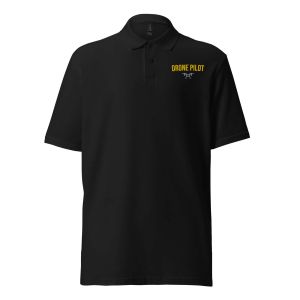
- Client-ready polos for commercial properties: If you are shooting commercial real estate, hotels, or golf courses, pair dark chinos with a collared premium professional drone pilot polo or classic drone pilot polo shirt. Property neighbors immediately recognize you as contracted crew rather than an uninvited visitor.
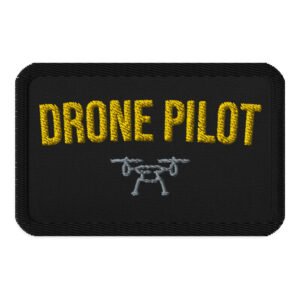
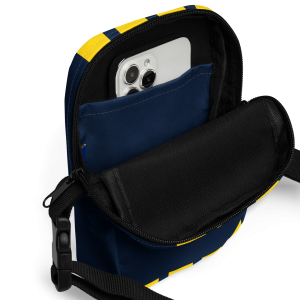
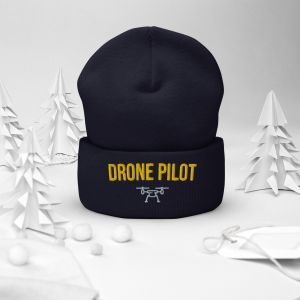
- Embroidered headwear and bag patches: Even on a quick casual flight, wearing a professional drone pilot cap and attaching a UAS pilot patch to your drone pilot crossbody sling bag signals that you know the rules and take airspace safety seriously.
Step 3: Use the 10-second de-escalation script if someone approaches
What if someone ignores your shirt and walks up angry while your drone is still in the air? Never argue about airspace law while your thumbs are on the sticks. Trying to explain EASA Open Category rules or FAA airspace sovereignty while hovering at 60 meters divides your attention and escalates tension.
Use this exact three-sentence script instead:
- “I hear you, and I will gladly show you my flight log and screen in ninety seconds.”
- “Right now I am actively piloting an aircraft, so I need to keep my eyes on it to land safely.”
- “Please give me two steps of space until the motors stop, and then we can talk.”
Calling the drone an “aircraft” and asking for space “to land safely” shifts the frame from privacy to immediate physical safety. Almost everyone steps back and waits quietly for sixty seconds while you bring the drone home.
Step 4: Keep your documents and credentials in one outer pocket
Once the propellers disarm, tension drops fast if you remain calm and organized. Keep your operator registration, your EU A1/A3 or A2 certificate (or FAA Part 107 card), and proof of drone liability insurance in the front pocket of your flight bag.
Most skeptical bystanders are worried that a wide-angle drone lens is zooming in on their living room window. Showing them a 24mm wide landscape frame on your controller screen usually turns a hostile neighbor into a fascinated observer within thirty seconds.
Frequently asked questions about flying drones in public
Can a bystander legally force you to land your drone?
Private citizens do not regulate airspace, so a bystander cannot legally order you to land if you are flying legally from public land. However, local property owners can control where you stand to take off and land, and interfering with a remote pilot in command is unsafe in every jurisdiction.
Is it better to wear a neon safety vest or a drone pilot shirt?
High-visibility vests work well near roadworks and industrial sites, but in public parks or residential neighborhoods a neon vest often draws more crowd attention. An embroidered drone pilot cap and drone pilot t-shirt communicate authority without creating a scene. Read our full drone pilot hat and patch guide for more examples.